No clinic, no after hours. Emergencies go to a 24 hour emergency animal hospital, (503) 555 0180

(503) 555 0134

The line, drawn plainly

At home or at a clinic

A veterinarian carrying a bag into your living room can do a great deal, and there are five things she cannot do at all. Here is both lists, so you never find out at the door.

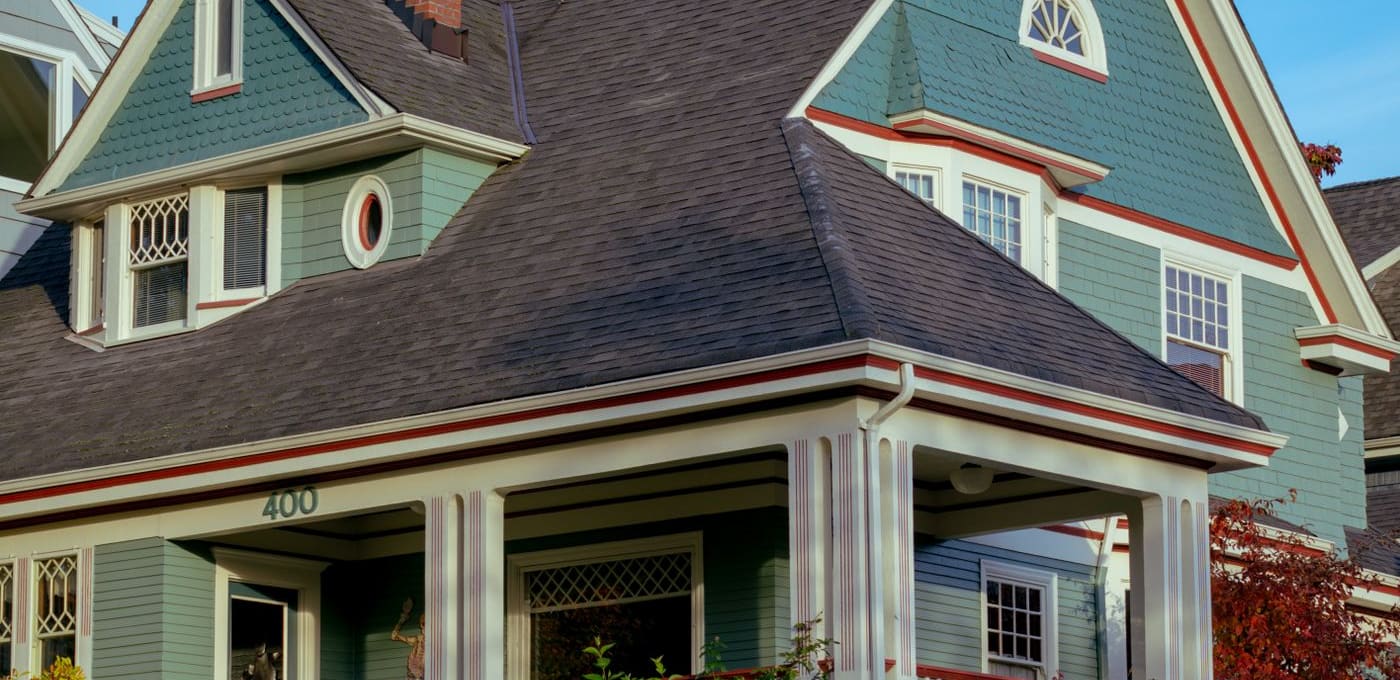
The porch and upper storey of an old shingled house on a residential street in fall
Every appointment starts on a porch like this one.

Done at your house

On the rug, on the couch, on the back step, wherever the animal already is.

  1. The full physical examNose to tail, weight, heart, chest, belly, joints, ears, eyes, mouth and skin. The same exam a clinic does, done where the animal is not frightened.
  2. VaccinesRabies, DHPP, leptospirosis and Bordetella for dogs, FVRCP for cats. The rabies certificate is written at your table and you keep the copy for the county license.
  3. Blood and urine samplesDrawn here, driven to the outside laboratory the same afternoon. Results come back in one to two business days and you get a phone call, not a portal link.
  4. Nail trims and ear cleaningThe two jobs that go badly in a clinic and usually go fine on a kitchen floor with somebody the animal knows holding a treat.
  5. Subcutaneous fluidsGiven on the visit, and taught to you properly if this is going to be a twice weekly thing for a kidney cat. Most owners have it by the second try.
  6. Pain and arthritis plansA two week trial, then an honest answer about whether the dog was different on the stairs. That answer is worth more than an X-ray.
  7. Quality of life consultationsForty five minutes, sitting down, no decision asked for on the day unless you want to make one.
  8. Hospice and comfort careAppetite, nausea, pain and breathing, reviewed every week or two, with a written plan on the fridge and a number you can text.
  9. Euthanasia at homeSedation first, in the animal's own bed, with as long afterwards as you need. Set out step by step on the quality of life page.
  10. Refills, once we have seen the animalOregon requires an in person exam before any prescription. After that a refill is usually a phone call.

Needs a building

Not a limit we are shy about. A living room has no oxygen line, no monitor and no second pair of hands.

  1. Anesthesia of any kindThere is no safe version of this in a house. An anesthetized animal needs an airway, oxygen, a monitor and somebody whose only job is watching the numbers.
  2. Surgery, including lump removalsSpays, neuters, masses, wounds that need closing under general anesthesia. Your regular clinic books these.
  3. DentalsA dental means anesthesia, X-rays and probing below the gum line. Anything offered awake is cosmetic and leaves the part that hurts.
  4. X-rays and ultrasoundWe can tell you whether the picture is worth taking, and send the request with the history already written.
  5. Hospitalization and intravenous fluidsAn animal that needs a drip running for hours, or watching overnight, needs a ward and a night nurse.
  6. True emergenciesCollapse, bleeding, hard breathing, a blocked male cat, a bloated deep chested dog, a seizure lasting more than three minutes. Drive, and phone from the car.

Who does these instead. Rows 01 to 05 belong to your regular clinic, and we send the history and the request across so the booking is a phone call rather than the whole story told again. Row 06 belongs to a 24 hour emergency animal hospital: go, and phone from the car on (503) 555 0180.

We are not a replacement for your clinic. We are the half of the job that goes better at the house, and we write to your clinic after every visit so the file stays in one place.

Two animals people ask about

How a home visit actually goes

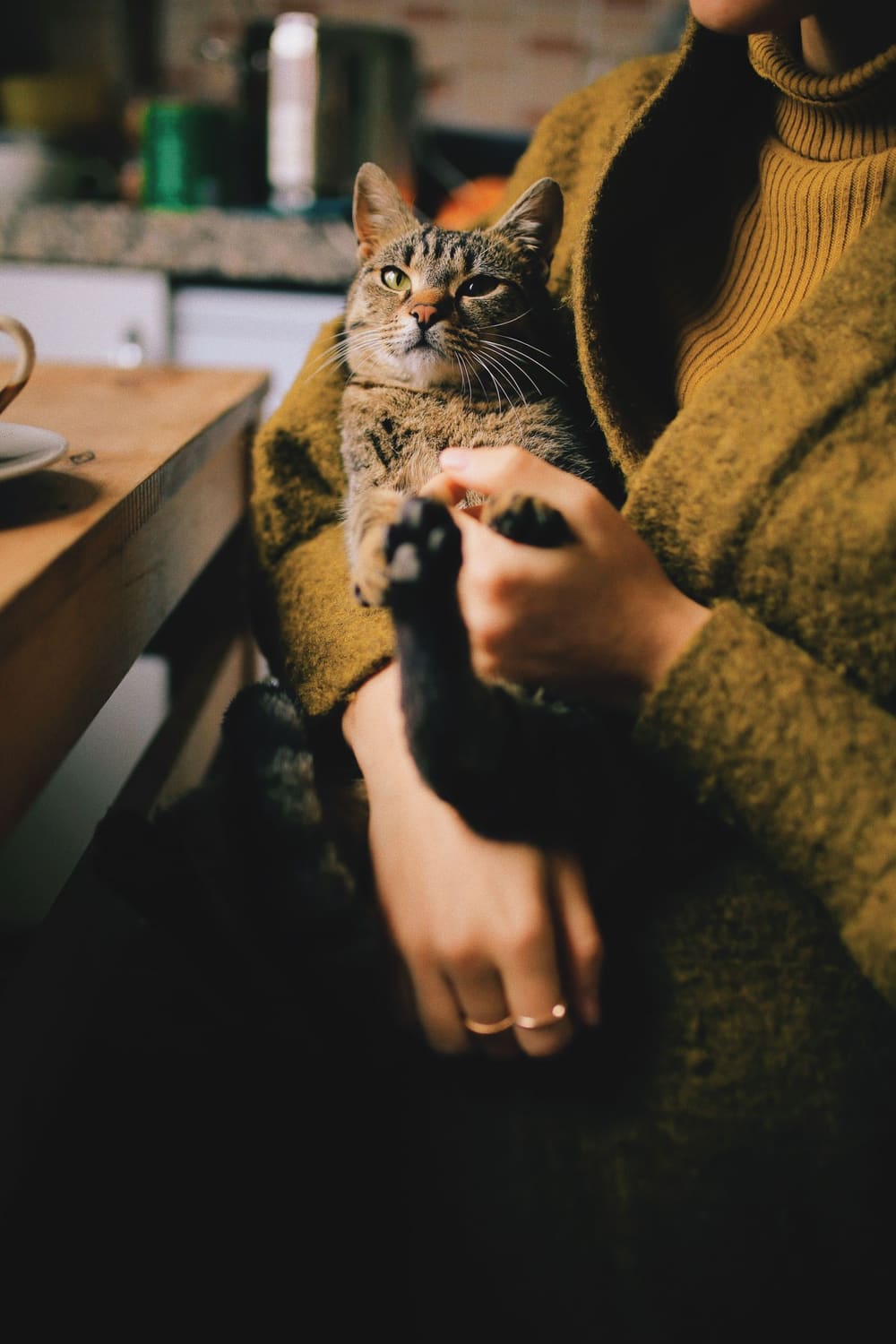
A tabby cat held against the chest of someone sitting at a kitchen table

For a cat who becomes a different animal in a carrier

This is the whole reason house call practices exist. The carrier, the car and the waiting room do more damage to a cat than the exam ever does.

  • Shut the cat in one ordinary room an hour before, with the litter box, water and somewhere to hide. A bathroom or a bedroom is ideal. A cat who has run under the deck is a wasted visit for both of us.
  • Do not pull her out from under the bed to show us she is fine. We will get down there.
  • Skip the meal before, so treats are worth something. If bloodwork is planned we will have told you to hold food from the night before.
  • Have her mat or blanket on the floor rather than a bare table. Cats hold still on something that smells of them.
  • If she has ever needed gabapentin to travel, say so when you book and we will send some to give two hours ahead. Most cats do not need it at home.
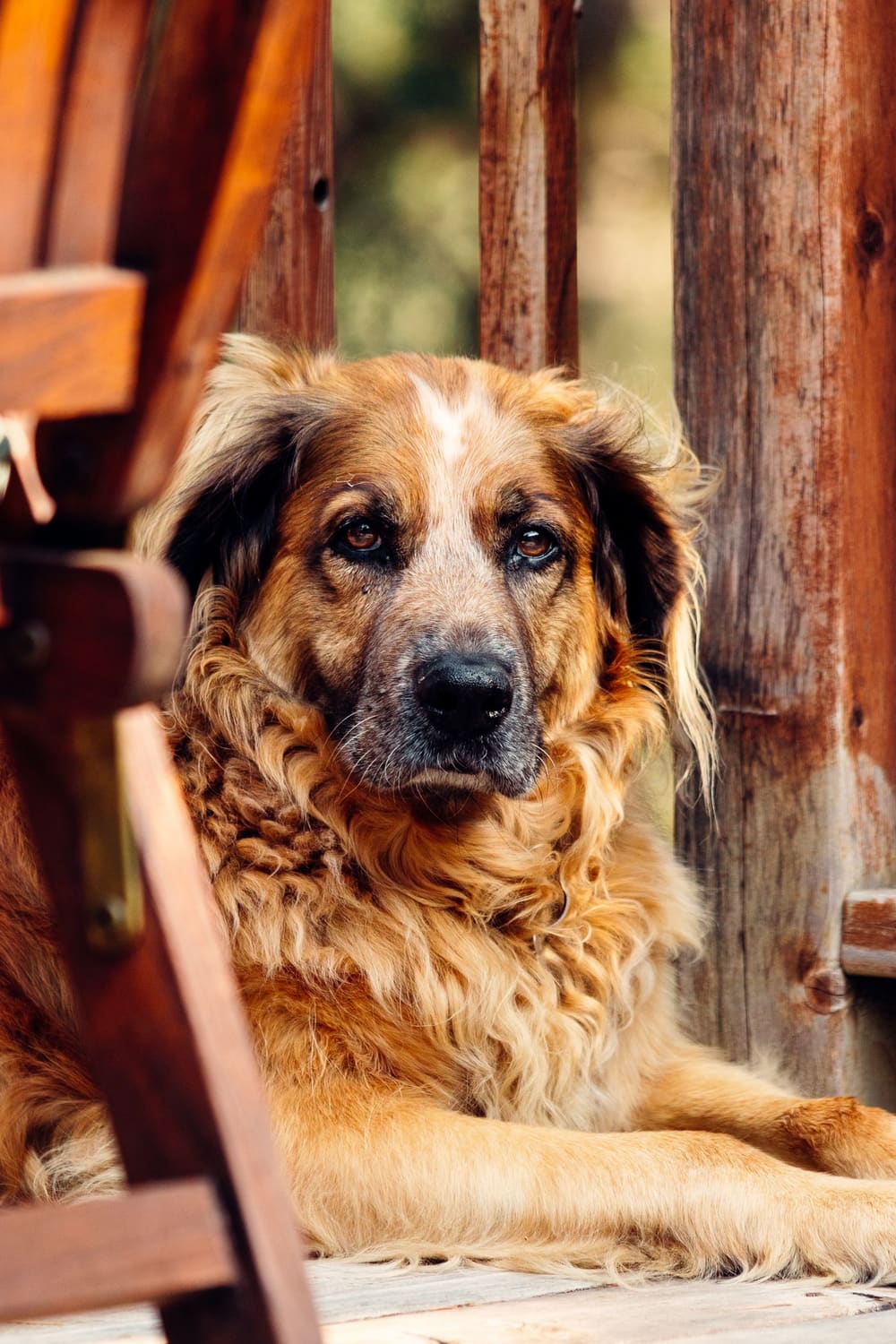
A large shaggy dog with a gray muzzle lying on a wooden deck beside a chair

For a big dog who cannot get in the car any more

The other half of the practice. A ninety pound dog who cannot manage the ramp is the reason a lot of overdue care gets put off for a year.

  • Leave him lying wherever he settles. We do the exam on the floor and we will bring a mat for a slick surface.
  • Rugs or yoga mats down the hallway change everything for a dog with bad hips, and they are a better investment than most supplements.
  • Somebody the dog knows sits at his head with the treats. We stay at the back end. Nobody straddles him and nobody holds him down.
  • Tell us on the phone if he is worried about men, hats, or people coming through the front door, and we will come in through the yard instead.
  • If he has bitten before, say so plainly. It changes how we plan the visit, it does not change whether we come.

Before we knock

Four things that make the hour work

  1. A room, not the whole houseOne ordinary room with the door shut. A cat who has got under the deck cannot be examined, and a dog who can patrol three rooms will patrol three rooms.
  2. Everything it takesThe actual bottles and bags, not a list from memory. Flea treatment counts, joint supplements count, and so does whatever came from the internet.
  3. The last clinic that saw itA name is enough. We request the file and read it before we knock, so you are not telling the story twice.
  4. Parking, gates and dogsA gate code, a driveway we can block for an hour, or a warning that the other dog objects to strangers. All three save more time than they sound like they should.

If it is on the left hand list, we can come.

Tell us the animal, the neighborhood and what you have noticed. If it turns out to be on the right hand list, we will say so on the phone rather than charge you to find out.