Foundations
The first six weeks
The fear is walking in knowing nothing, so here is the whole course before you pay for it: what is taught each week, what most people are actually moving by the end of it, and what is going to be sore.
- Length
- Six weeks, one hour a week, same day and time
- Group
- Eight people, and the eight do not change
- Fee
- £95 for the six, paid once
- After
- The fee comes off your first month if you join
 01
Week 1
The bar, and nothing on it
- What is taught
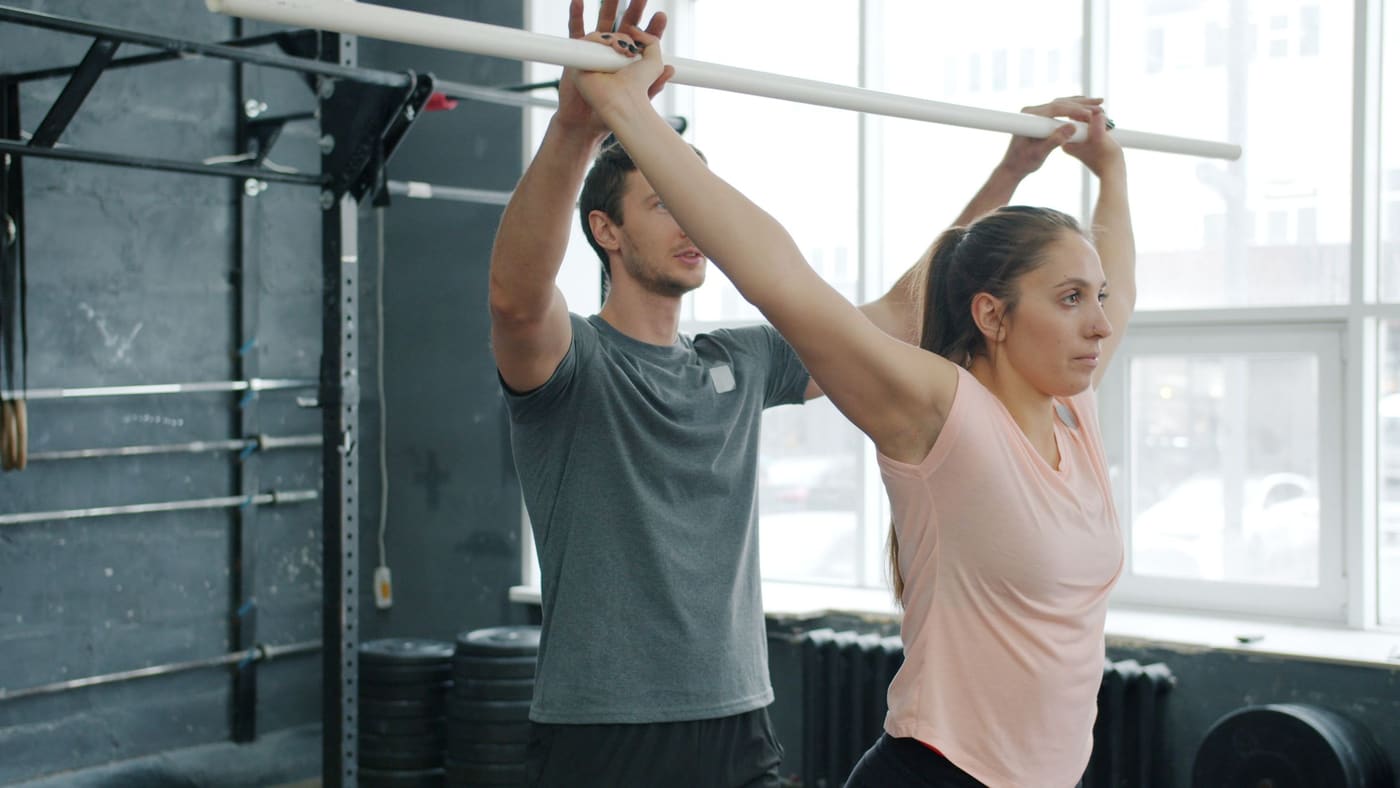
- Squat to a box, hinge to a block, press overhead with a length of plastic pipe before you touch a bar. Then the bar on its own.
- What you will be lifting
- The bar is 20 kg, or 15 kg if that is the better place to start. That is the whole session.
- What will be sore
- Quads and the inside of the thighs. Worst on day two, gone by day four. You will want to sit down slowly on Wednesday.
 02
Week 2
Deadlift, from blocks
- What is taught
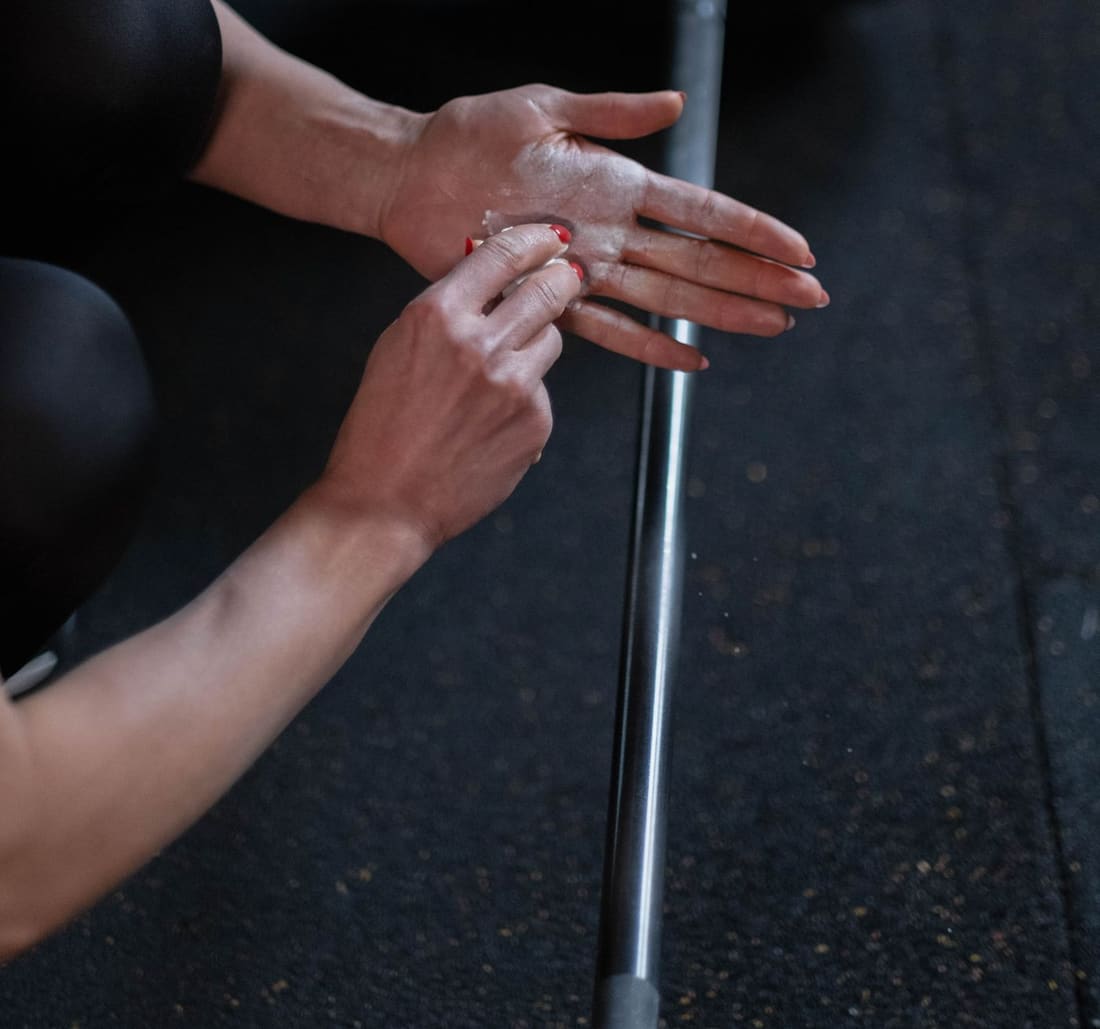
- Where the bar sits over the foot, how to take the slack out, and why the first pull feels like nothing is happening.
- What you will be lifting
- Most people finish the hour pulling 40 kg to 60 kg for sets of five. A few pull more and are told to stop anyway.
- What will be sore
- Hamstrings and a band across the middle of the back. The back one worries people and it is the ordinary one.
 03
Week 3
Under the bar
- What is taught
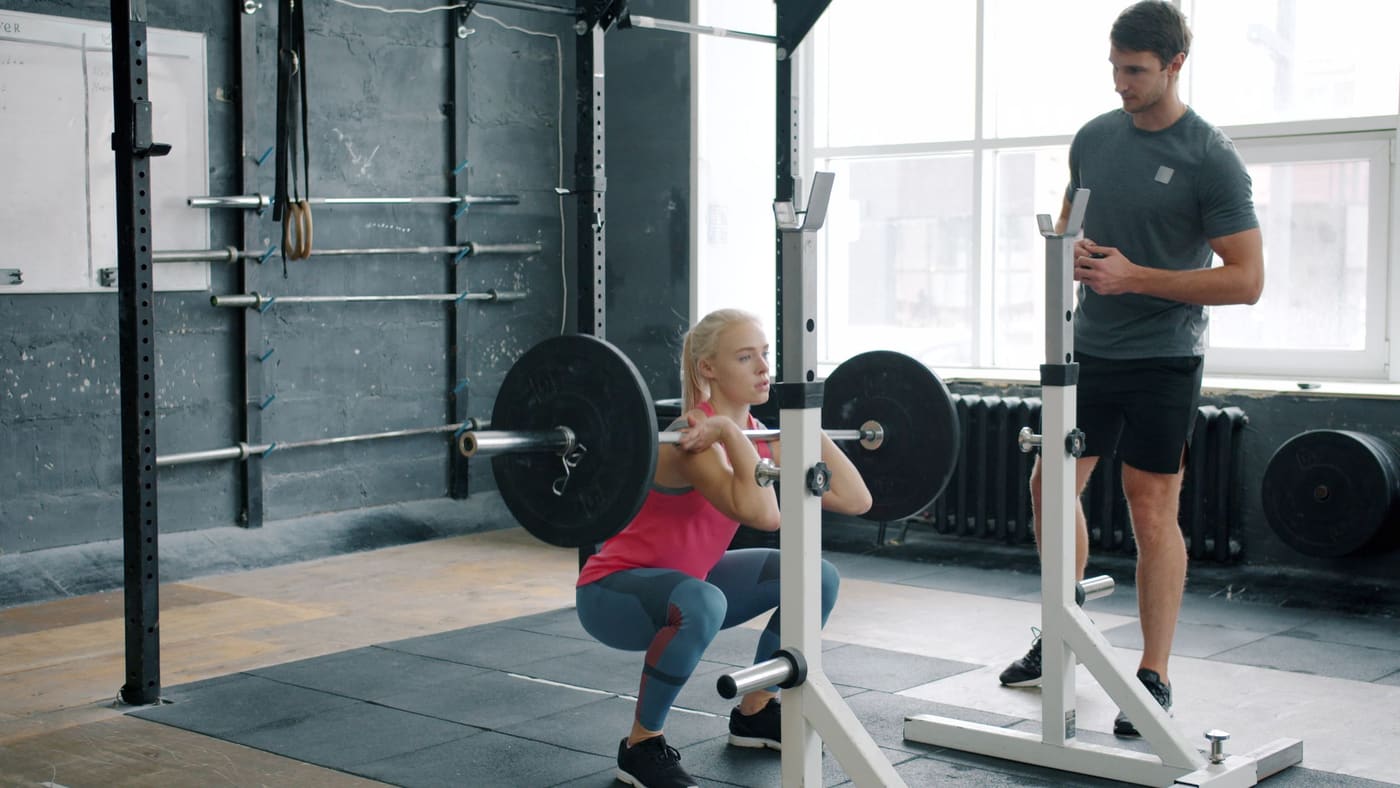
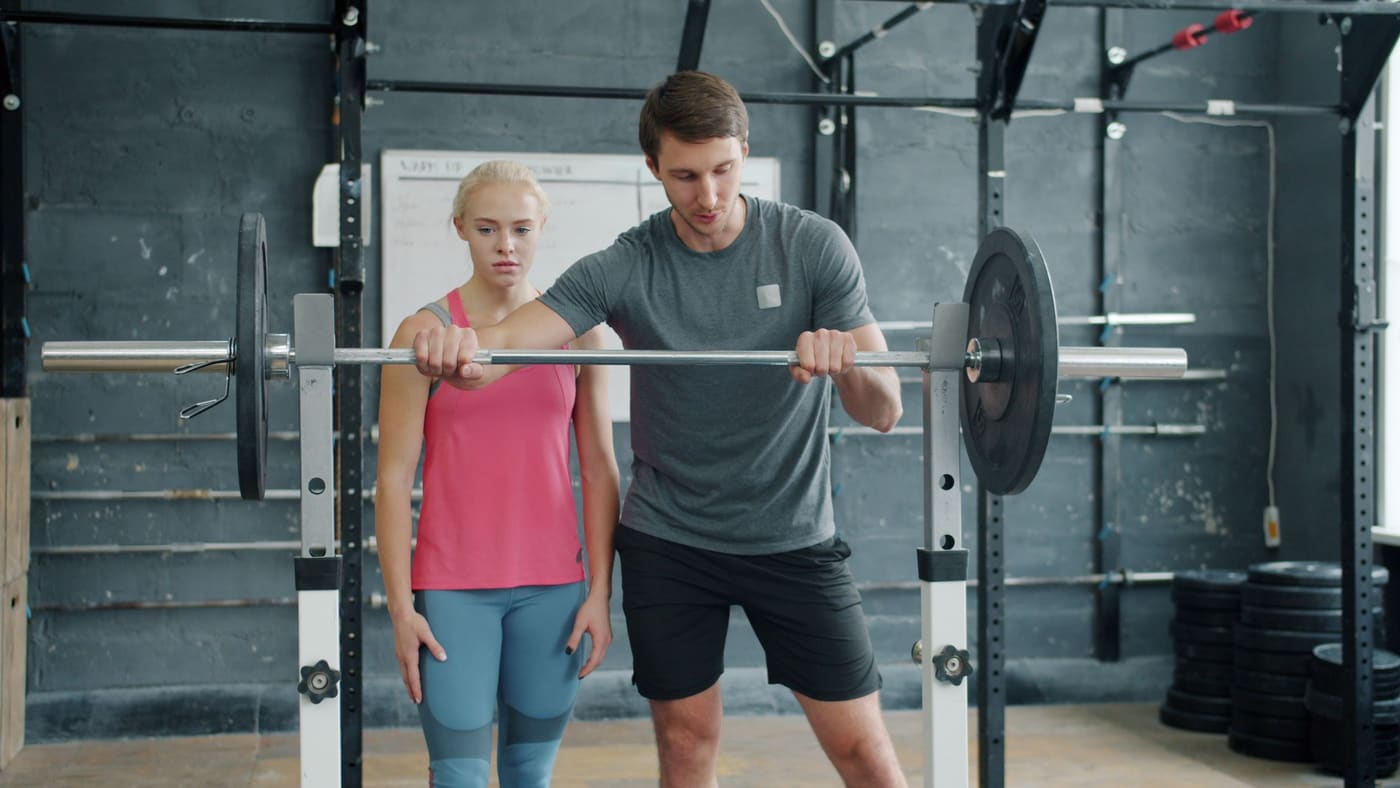
- Unracking a back squat without a wrestle, where the bar sits on the shoulders, and the two cues you will hear every week after this.
- What you will be lifting
- Bar plus 10 kg to 20 kg a side for most. Some people stay on the empty bar for a third week, which is fine and is not a comment on you.
- What will be sore
- Not much, usually. Week three is the one people are surprised by.
 04
Week 4
Press and row
- What is taught
- Overhead press without leaning back, and a bent row that does not turn into a shrug. Also how to breathe, which nobody expects to be taught.
- What you will be lifting
- Press 20 kg to 30 kg. Row 30 kg to 45 kg. Both feel light and neither stays light.
- What will be sore
- Shoulders and the back of the arms. Reaching a high shelf is the giveaway.
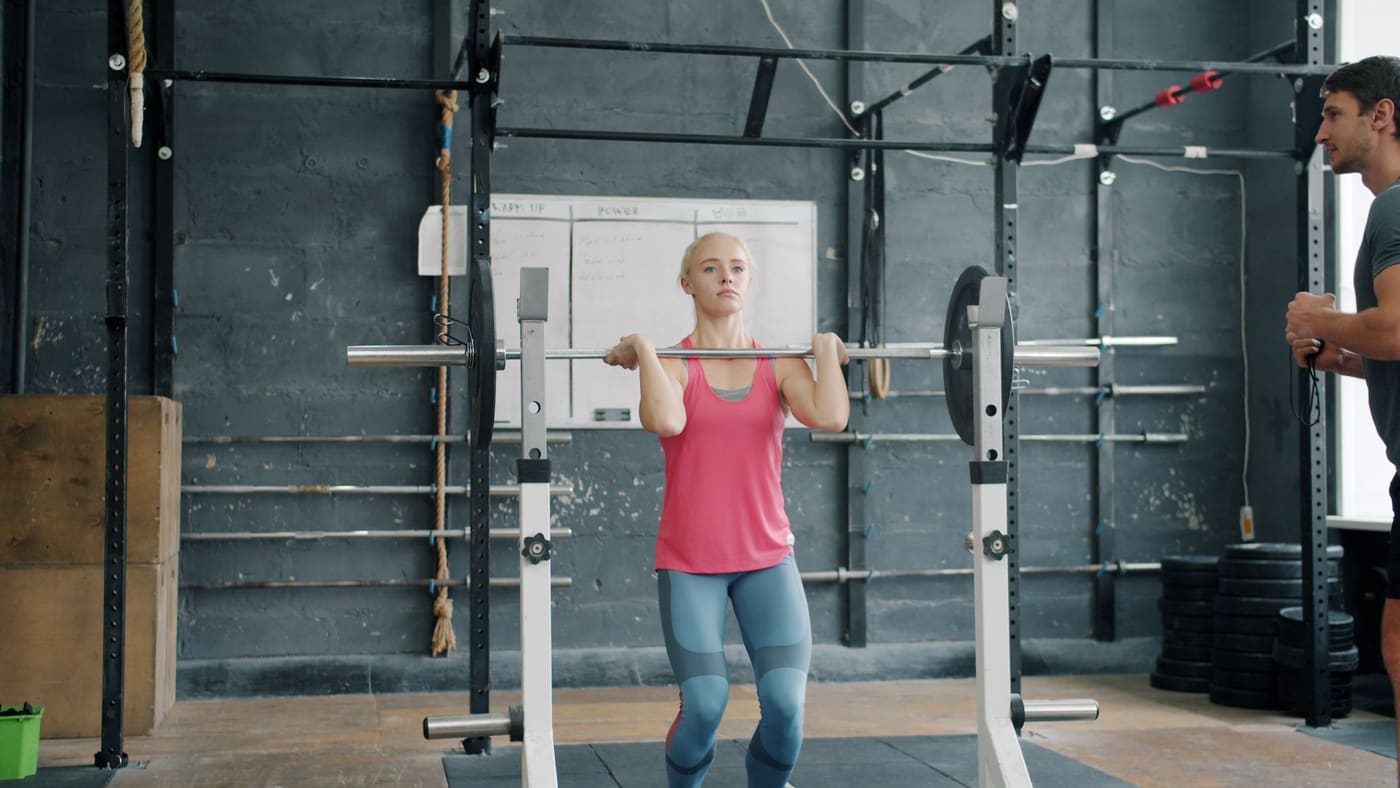 05
Week 5
A real session, at your weights
- What is taught
- Nothing new. You run a full Barbell session at the numbers you have actually built, with the coach watching and saying less.
- What you will be lifting
- Deadlift 60 kg to 90 kg, squat 40 kg to 60 kg, press 25 kg to 35 kg is the usual shape by now.
- What will be sore
- Whatever you worked hardest. By week five you can name it before you leave the arch.
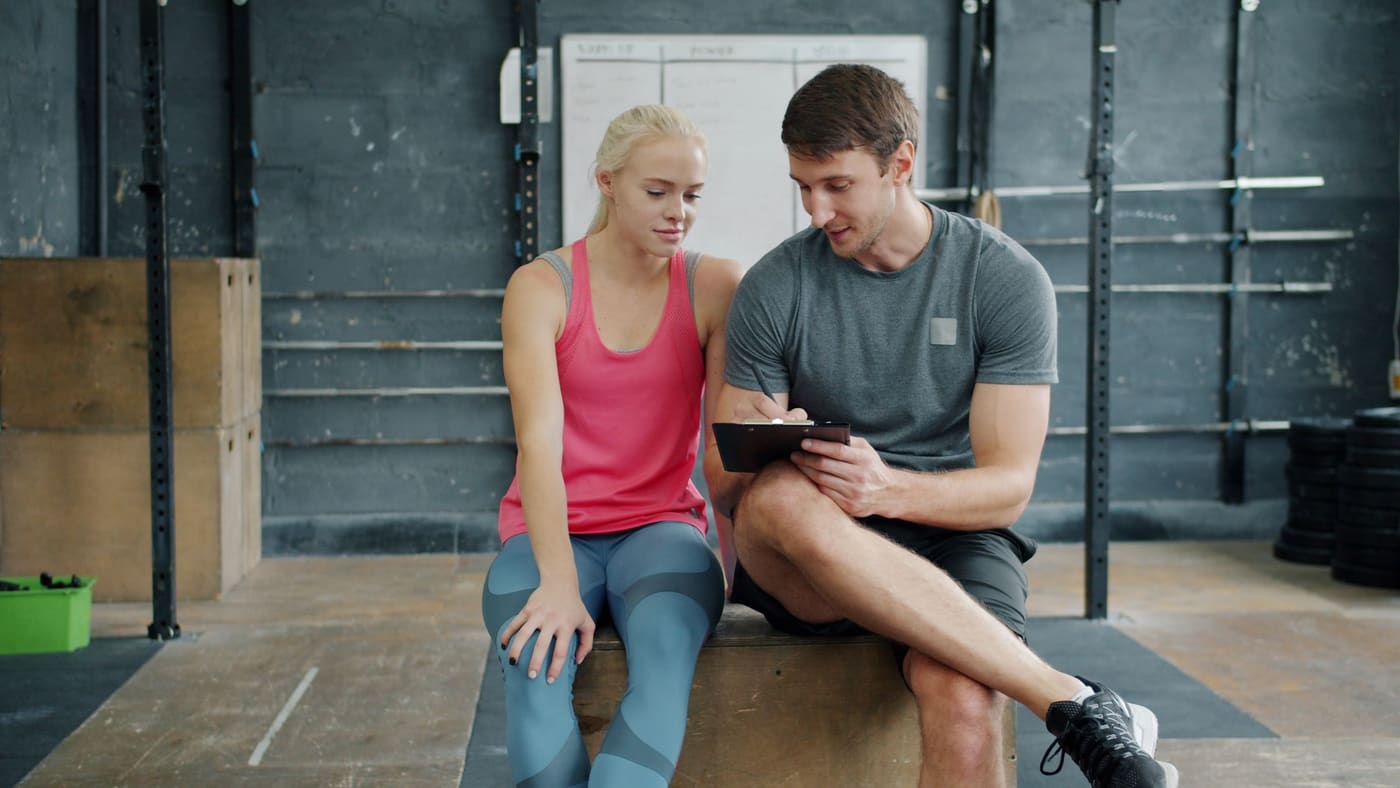 06
Week 6
Your first Barbell class
- What is taught
- You go into a normal class with the same coach standing next to you. Afterwards you get a card with your six numbers written on it.
- What you will be lifting
- The same as week five. Nothing is added on the day you change rooms.
- What will be sore
- Less than week one, which is the thing worth noticing.
Before week one
The paperwork, and it is one side
- You fill in a PAR-Q before the first session. It is one side of paper, it asks about your heart, your blood pressure, your medication and anything a surgeon has done to you, and a coach reads it with you in the first ten minutes.
- If an answer means we should not start yet, we say so and you take the paper to your GP. We refund the fee in full and hold your place for eight weeks.
- You do not need to get fit first. That sentence is the single most common reason people put this off for a year.
- Wear whatever you already own. Flat shoes beat running shoes, and a pair of Converse has started more lifters than anything sold as a lifting shoe.
Asked every January
The six questions
- I have never lifted anything. Is that a problem?
- It is the ordinary case. Foundations exists because it is the ordinary case, and about half of every intake has never held a barbell.
- I am forty-five and not fit. Should I get fit first?
- No, and the getting fit first plan is the one that never starts. Week one is an empty bar and a box. The oldest person to finish Foundations this year was sixty-eight.
- Will I get hurt?
- Less often than people expect, and almost never in a coached session, because the load is the thing we control. Tell the coach about anything that already hurts before the session, not after.
- Do I have to do Foundations?
- If you have trained with a barbell in the last two years, no. Come to an open gym hour, lift in front of a coach for twenty minutes and we will tell you honestly.
- Can I just use the gym on my own?
- Open gym is for members and the hours are on the timetable. We do not sell an open gym only membership, because a room full of unsupervised people is the thing this place was set up not to be.
- What about Hyrox?
- Two conditioning slots a week are built around it from January, and Marcus will tell you whether you actually want to do one or just like the idea.